
Preventing Phone Scams
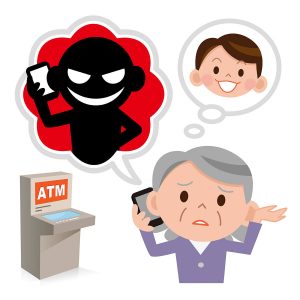 Every year, thousands of people lose money to telephone scams — from a few dollars to their life savings. Scammers will say anything to cheat people out of money. Some seem very friendly — calling you by your first name, making small talk, and asking about your family. They may claim to work for a company you trust, or they may send mail or place ads to convince you to call them.
If you get a call from someone you don’t know who is trying to sell you something you hadn’t planned to buy, say “No thanks.” And, if they pressure you about giving up personal information — like your credit card or Social Security number — it’s likely a scam. Unfortunately there isn’t too much you can do to prevent these types of calls. The best thing to do is hang up and report the attempted phone scam to the Federal Trade Commission at ftc.gov/complaint.
Signs of a Scam
Often, scammers who operate by phone don’t want to give you time to think about their pitch; they just want you to say “yes.” But some are so cunning that, even if you ask for more information, they seem happy to comply. They may direct you to a website or otherwise send information featuring “satisfied customers.” These customers, known as shills, are likely as fake as their praise for the company.
Here are a few red flags to help you spot telemarketing scams. If you hear a line that sounds like this, say “no, thank you,” hang up, and file a complaint with the FTC at ftc.gov/complaint:
- You’ve been specially selected (for this offer).
- You’ll get a free bonus if you buy our product.
- You’ve won one of five valuable prizes.
- You’ve won big money in a foreign lottery.
- This investment is low risk and provides a higher return than you can get anywhere else.
- You have to make up your mind right away.
- You trust me, right?
- You don’t need to check our company with anyone.
- We’ll just put the shipping and handling charges on your credit card.
Join the National Do Not Call List
Register your home and mobile phone numbers with the National Do Not Call Registry. This won’t stop all unsolicited calls, but it will stop most.
If your number is on the registry and you still get calls, they’re probably from scammers ignoring the law. Hang up, and report them at donotcall.gov.
How They Hook You
Scammers use exaggerated — or even fake — prizes, products or services as bait. Some may call you, but others will use mail, texts, or ads to get you to call them for more details. Here are a few examples of “offers” you might get:
- Travel Packages. “Free” or “low cost” vacations can end up cost¬ing a bundle in hidden costs. Some of these vacations never take place, even after you’ve paid.
- Credit and loans. Advance fee loans, payday loans, credit card protection, and offers to lower your credit card interest rates are very popular schemes, especially during a down economy.
- Sham or exaggerated business and investment opportunities. Promoters of these have made millions of dollars. Scammers rely on the fact that business and investing can be complicated and that most people don’t research the investment.
- Charitable causes. Urgent requests for recent disaster relief efforts are especially common on the phone.
- High-stakes foreign lotteries. These pitches are against the law, which prohibits the cross-border sale or purchase of lottery tickets by phone or mail. What’s more, you may never see a ticket.
- Extended car warranties. Scammers find out what kind of car you drive, and when you bought it so they can urge you to buy overpriced — or worthless — plans.
- “Free” trial offers. Some companies use free trials to sign you up for products — sometimes lots of products — which can cost you lots of money because they bill you every month until you cancel.
Why They’re Calling You
Everyone’s a potential target. Fraud isn’t limited to race, ethnic back¬ground, gender, age, education, or income. That said, some scams seem to concentrate in certain groups. For example, older people may be targeted because the caller assumes they may live alone, have a nest egg, or may be more polite toward strangers.
How to Handle an Unexpected Sales Call
Questions to Ask
When you get a call from a telemarketer, ask yourself:
- Who’s calling… and why? The law says telemarketers must tell you it’s a sales call, the name of the seller and what they’re selling before they make their pitch. If you don’t hear this information, say “no thanks,” and get off the phone.
- What’s the hurry? Fast talkers who use high pressure tactics could be hiding something. Take your time. Most legitimate businesses will give you time and written information about an offer before asking you to commit to a purchase.
- If it’s free, why are they asking me to pay? Question fees you need to pay to redeem a prize or gift. Free is free. If you have to pay, it’s a purchase — not a prize or a gift.
- Why am I “confirming” my account information — or giving it out? Some callers have your billing information before they call you. They’re trying to get you to say “okay” so they can claim you approved a charge.
- What time is it? The law allows telemarketers to call only between 8 am and 9 pm. A seller calling earlier or later is ignoring the law.
- Do I want more calls like this one? If you don’t want a business to call you again, say so and register your phone number on the National Do Not Call Registry. If they call back, they’re breaking the law.
Some Additional Guidelines
- Resist pressure to make a decision immediately.
- Keep your credit card, checking account, or Social Security numbers to yourself. Don’t tell them to callers you don’t know — even if they ask you to “confirm” this information. That’s a trick.
- Don’t pay for something just because you’ll get a “free gift.”
- Get all information in writing before you agree to buy.
- Check out a charity before you give. Ask how much of your donation actually goes to the charity. Ask the caller to send you written information so you can make an informed decision without being pressured, rushed, or guilted into it.
- If the offer is an investment, check with your state securities regulator to see if the offer — and the offeror — are properly registered.
- Don’t send cash by messenger, overnight mail, or money transfer. If you use cash or a money transfer — rather than a credit card — you may lose your right to dispute fraudulent charges. The money will be gone.
- Don’t agree to any offer for which you have to pay a “registration” or “shipping” fee to get a prize or a gift.
- Research offers with your consumer protection agency or state Attorney General’s office before you agree to send money.
- Beware of offers to “help” you recover money you have already lost. Callers that say they are law enforcement officers who will help you get your money back “for a fee” are scammers.
- Report any caller who is rude or abusive, even if you already sent them money. They’ll want more. Call 1-877-FTC-HELP or visit ftc.gov/complaint.
What To Do About Pre-Recorded Calls
If you answer the phone and hear a recorded message instead of a live person, it’s a robocall. Recorded messages that are trying to sell you something are generally illegal unless you have given the company written permission to call you.
If you get a robocall:
- Hang up the phone. Don’t press 1 to speak to a live operator or any other key to take your number off the list. If you respond by pressing any number, it will probably just lead to more robocalls.
- Consider asking your phone company whether they charge for blocking phone numbers. Remember that telemarketers change Caller ID information easily and often, so it might not be worth paying a fee to block a number that will change.
- Report your experience to the FTC online or by calling 1-888-382-1222.
If you get phone service through internet or cable, you might want to look into services that screen and block robocalls. Try doing an online search for “block robocalls.”
For More Information
For more information about specific scams and topics, check out these FTC resources:
The FTC works to prevent fraudulent, deceptive and unfair business practices in the marketplace and to provide information to help consumers spot, stop and avoid them. To file a complaint or get free information on consumer issues, visit ftc.gov or call toll-free, 1-877-FTC-HELP (1-877-382-4357); TTY: 1-866-653-4261.
Watch a video, How to File a Complaint, at consumer.ftc.gov/media to learn more. The FTC enters consumer complaints into the Consumer Sentinel Network, a secure online database and investigative tool used by hundreds of civil and criminal law enforcement agencies in the U.S. and abroad.